
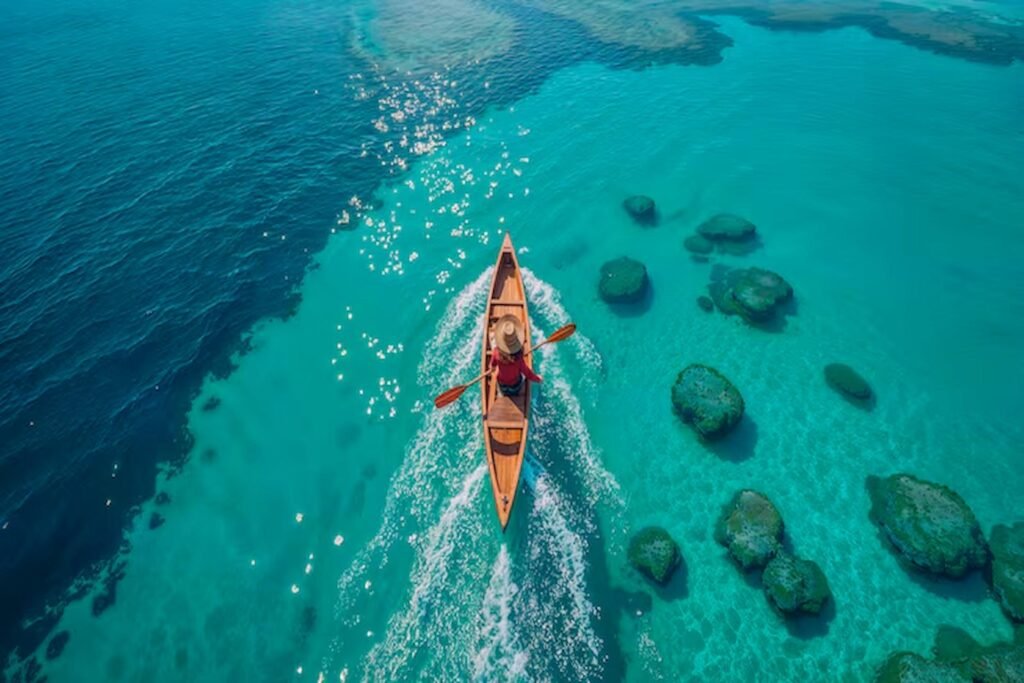
The Na Pali Coast in Hawaii is one of the most striking coastal landscapes in the world, known for its towering cliffs, hidden beaches, and vivid turquoise waters. A boat tour offers a unique way to experience this remote stretch of coastline, revealing perspectives that simply cannot be accessed by road or even by foot.
For travelers seeking a blend of natural beauty, adventure, and quiet moments at sea, a Napali Coast Tour provides an unforgettable journey. Whether you are planning your first visit or looking to deepen your experience, understanding what to expect can help you make the most of your time on the water.
Why Choose a Boat Tour of the Na Pali Coast
Exploring the Na Pali Coast by boat allows you to witness its dramatic features up close. Unlike aerial or hiking routes, a boat journey brings you right alongside the cliffs, sea caves, and waterfalls that define the region.
The coastline stretches for around 17 miles along the northwest shore of Kauai, with no roads cutting through it. This makes boat tours one of the most accessible and immersive ways to explore the area.
A well-planned Napali Coast Tour typically includes views of:
- Towering emerald cliffs rising straight from the ocean
- Sea caves carved by centuries of wave action
- Seasonal waterfalls cascading into the sea
- Remote beaches such as Kalalau Beach
The sense of scale and isolation is something that cannot be fully appreciated without being there.
Types of Boat Tours Available
Not all boat tours are the same, and choosing the right one depends on your preferences, comfort level, and schedule.
Catamaran Tours
Catamarans are among the most popular options. They offer a stable ride, plenty of space, and often include shaded seating areas. These tours are ideal for those who want a relaxed experience with opportunities for photography and sightseeing.
Zodiac or Raft Tours
For a more adventurous outing, raft-style boats provide a faster and more agile ride. These tours can enter smaller sea caves and get closer to the coastline. However, they are less suitable for those who prefer a smoother journey.
Luxury Private Charters
Private charters offer a tailored experience, often including personalised itineraries, meals, and smaller group sizes. They are a good option for special occasions or those seeking a quieter, more exclusive trip.
Each type of Napali Coast Tour brings its own advantages, so it is worth considering what matters most to you—comfort, adventure, or privacy.
What You Can Expect to See
The Na Pali Coast is rich in natural features that change with the seasons and time of day. While no two tours are exactly alike, there are several highlights you are likely to encounter.
Marine Life
The waters along the coast are home to a variety of marine species. Depending on the season, you may see:
- Spinner dolphins swimming alongside the boat
- Green sea turtles near the surface
- Humpback whales during migration months
Wildlife sightings are never guaranteed, but they are a frequent and memorable part of the experience.
Sea Caves and Cliffs
The coastline is dotted with sea caves of varying sizes, some large enough for boats to enter. The light inside these caves often creates striking reflections, adding to the visual appeal.
The cliffs themselves are equally impressive, with sharp ridges and deep valleys shaped by centuries of erosion.
Hidden Beaches
Some of Hawaii’s most secluded beaches are found along this stretch of coast. While many are inaccessible by land, a boat tour allows you to view them from the water and, in some cases, stop nearby for a closer look.
Best Time to Go
Timing plays a significant role in the quality of your experience. The Na Pali Coast is known for its changing weather and ocean conditions.
Seasonal Considerations
- Summer (May to September): Generally calmer seas, making it the best time for boat tours
- Winter (October to April): Rougher conditions, with some tours limited or cancelled
Morning tours often provide smoother waters and clearer skies, while afternoon trips can offer warmer temperatures and different lighting for photography.
Planning your trip during favorable conditions ensures a more comfortable and enjoyable journey.
What to Bring on Your Tour
Preparation can make a noticeable difference in how much you enjoy your time on the water. While most operators provide basic amenities, it is helpful to bring a few essentials.
Recommended Items
- Lightweight clothing suitable for sea spray
- Sunscreen and sunglasses for sun protection
- A waterproof bag for personal items
- A camera or smartphone for photos
- Motion sickness medication if needed
Keeping your belongings minimal and practical will allow you to focus on the experience itself.
Safety and Comfort Tips
Boat tours are generally safe, but it is important to follow guidelines provided by your tour operator.
Listen carefully to safety briefings and instructions from the crew. Wear life jackets if required, and remain seated when the boat is moving through rough waters.
If you are prone to motion sickness, choosing a larger vessel such as a catamaran can provide a steadier ride. Staying hydrated and avoiding heavy meals beforehand can also help.
Making the Most of Your Experience
A Na Pali Coast tour is as much about the journey as it is about the destination. Taking time to observe your surroundings and engage with the environment can enhance the experience.
Ask questions, listen to any commentary provided, and allow yourself moments to simply take in the views without distraction. The combination of sea, cliffs, and sky creates a setting that is both peaceful and awe-inspiring.
Conclusion
A boat tour of the Na Pali Coast offers a rare opportunity to explore one of Hawaii’s most remarkable landscapes from a unique perspective. From dramatic cliffs and sea caves to encounters with marine life, the experience combines natural beauty with a sense of adventure.
By choosing the right type of tour, planning for the conditions, and preparing thoughtfully, you can ensure a smooth and memorable journey. Whether you are traveling for relaxation or exploration, this coastal experience stands out as one of the highlights of any trip to Kauai.